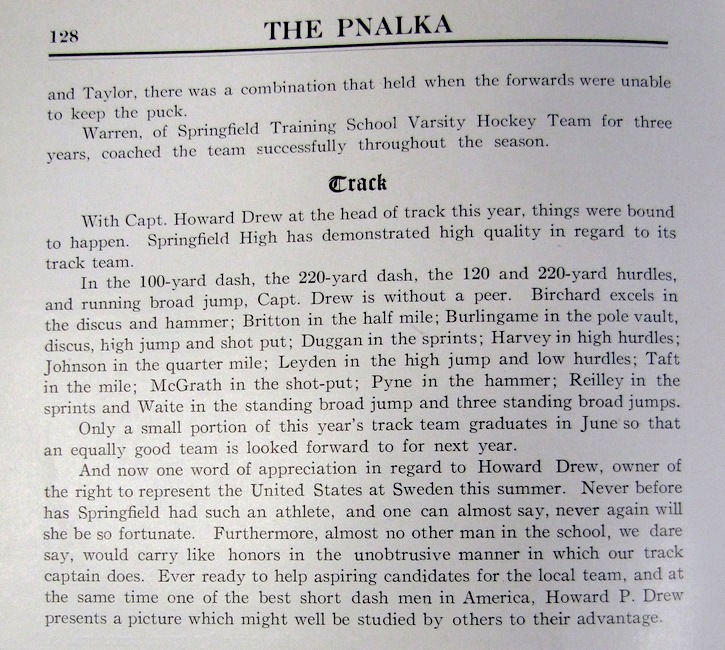
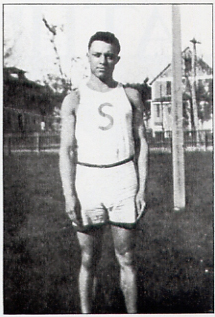
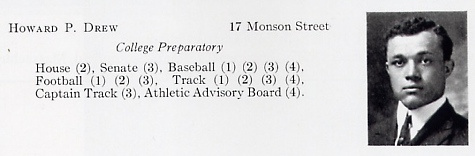
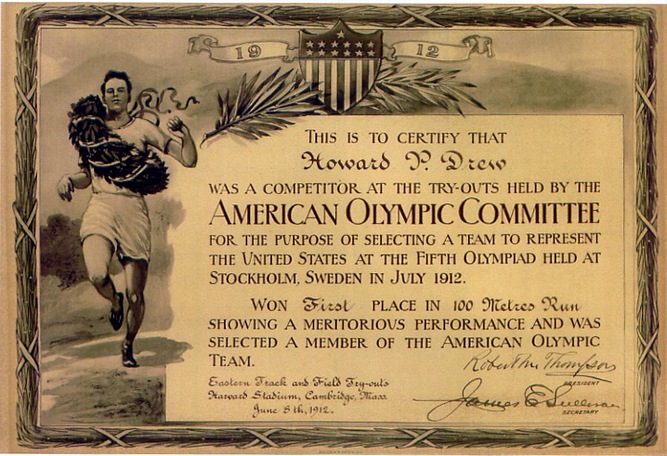
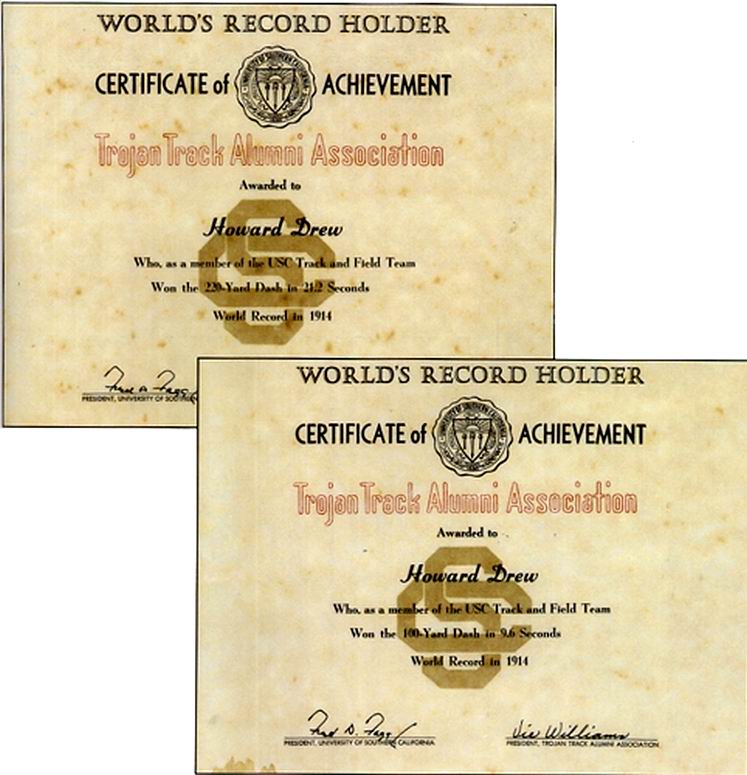
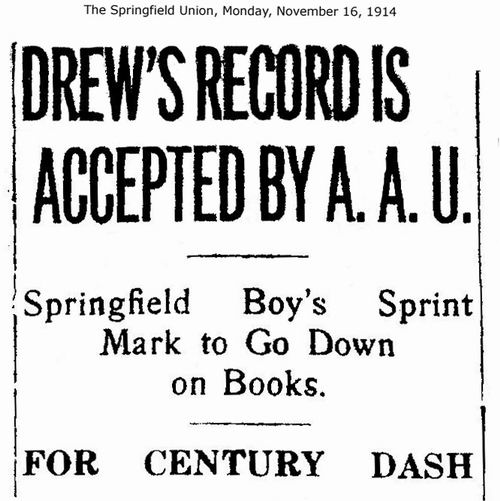
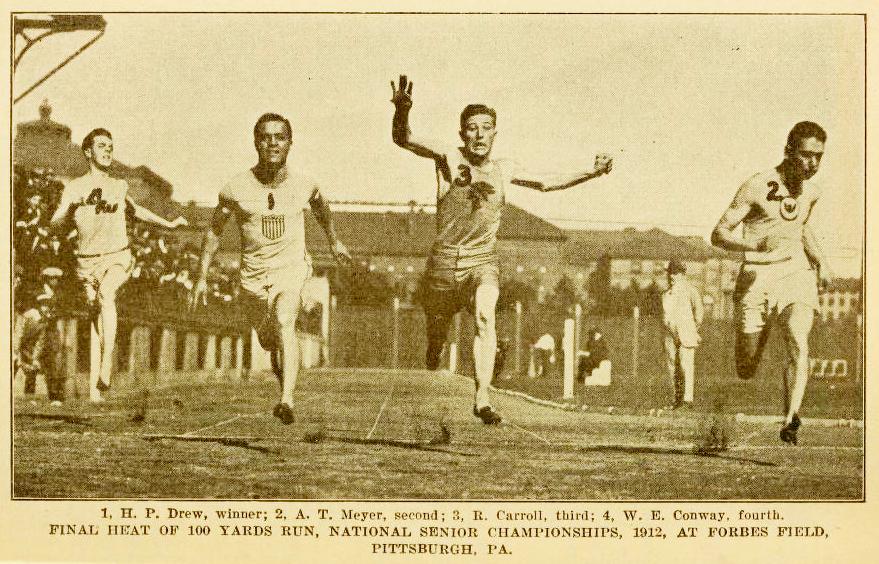
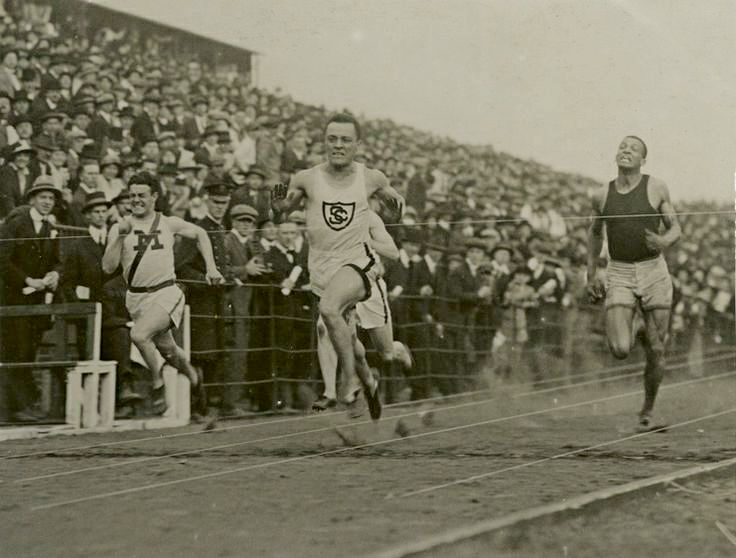
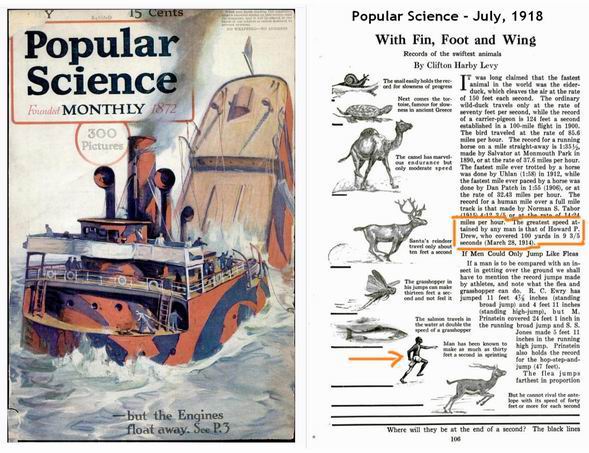
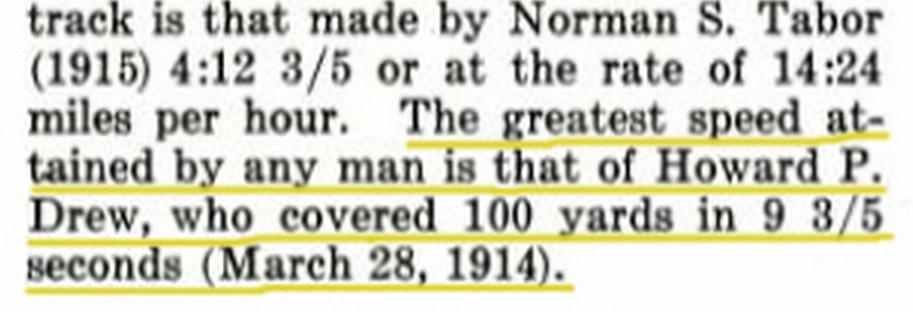
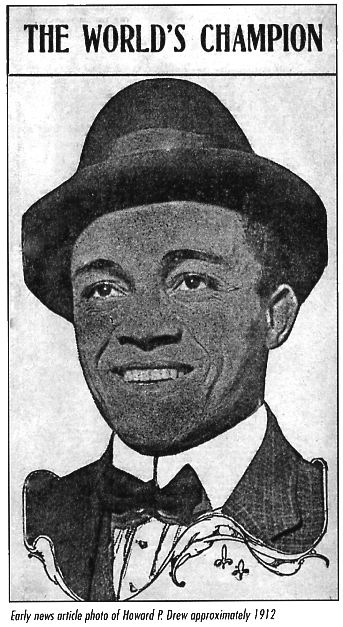
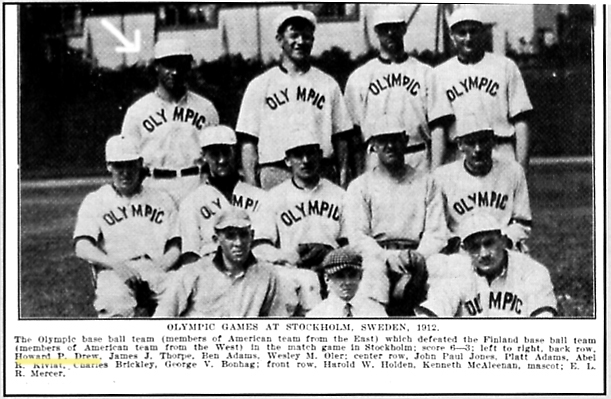
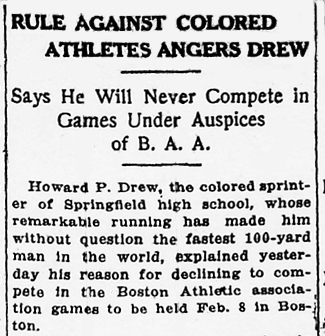
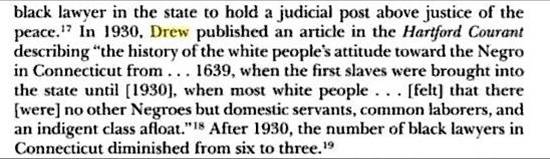
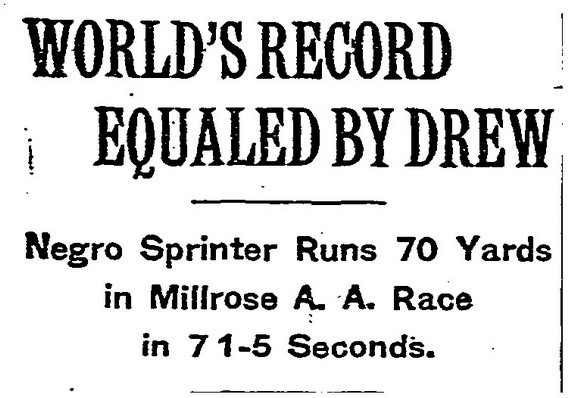
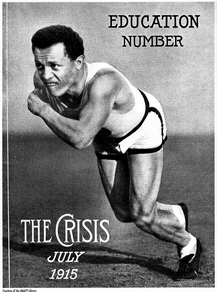
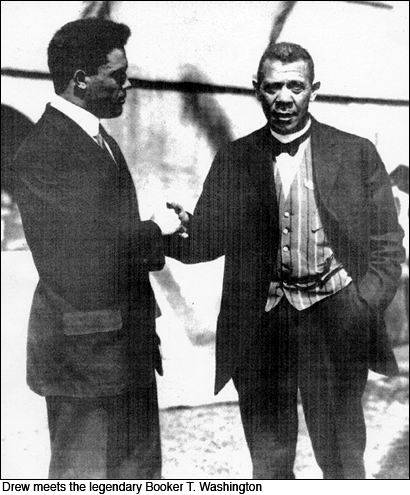
The Original "World's Fastest Human"
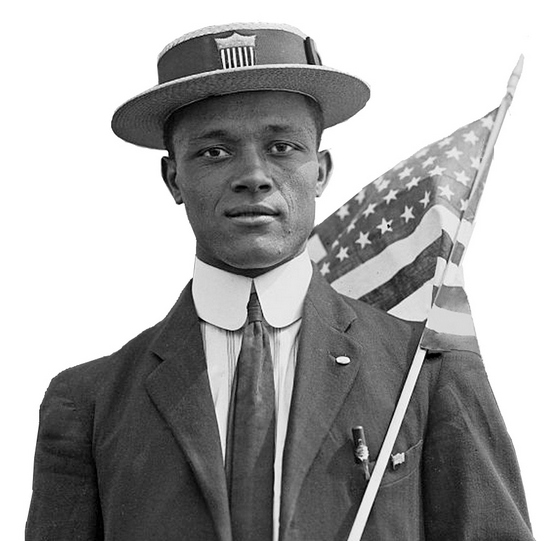
HOWARD P.
DREW
The Original "World's Fastest Human"
|
|
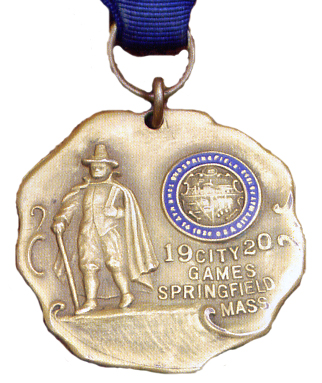
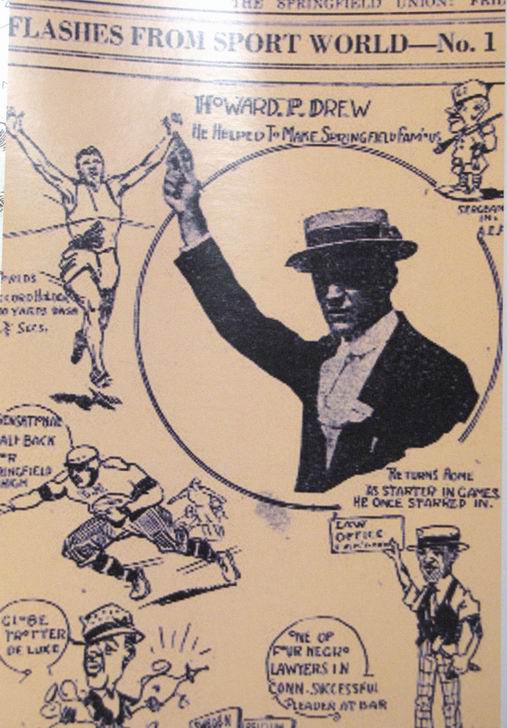
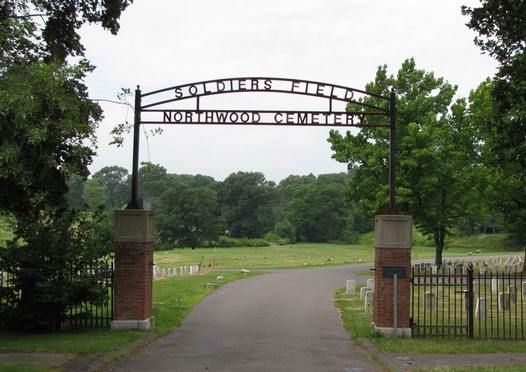
Howard P. Drew is buried only 20 minutes from
Springfield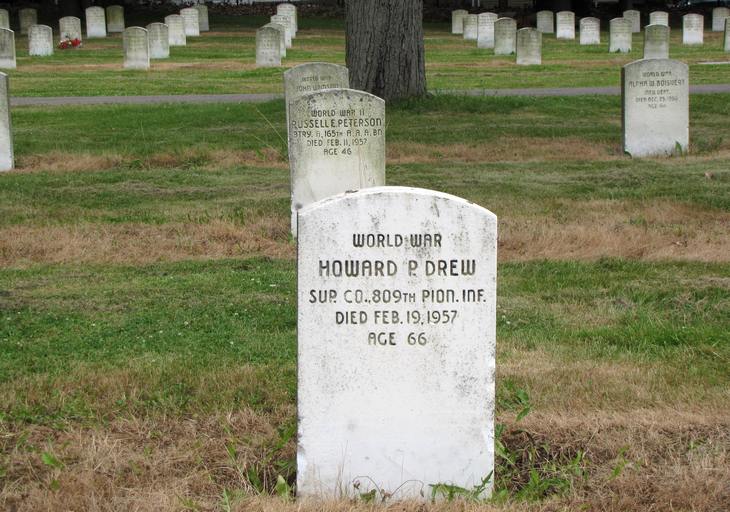
This is the only monument to Howard P. Drew
-
|
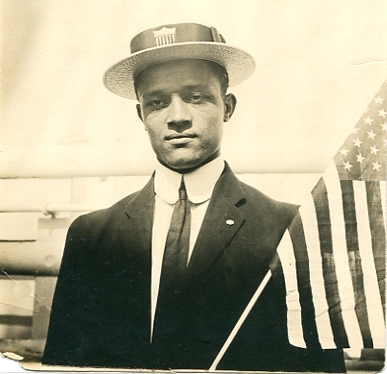
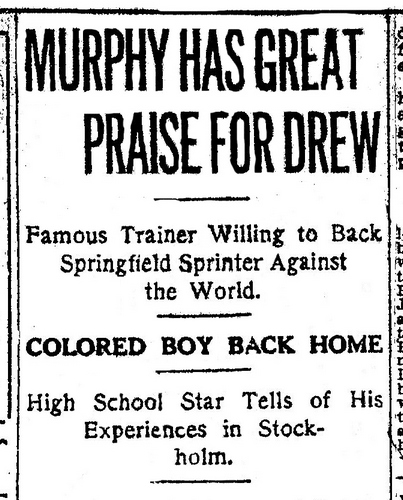
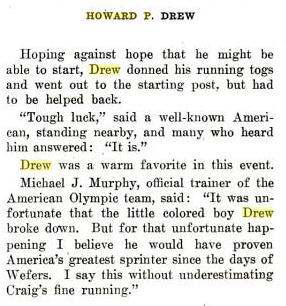
Howard P. Drew is a role model for today's
youth. He persevered as a world-class sprinter even though fate kept
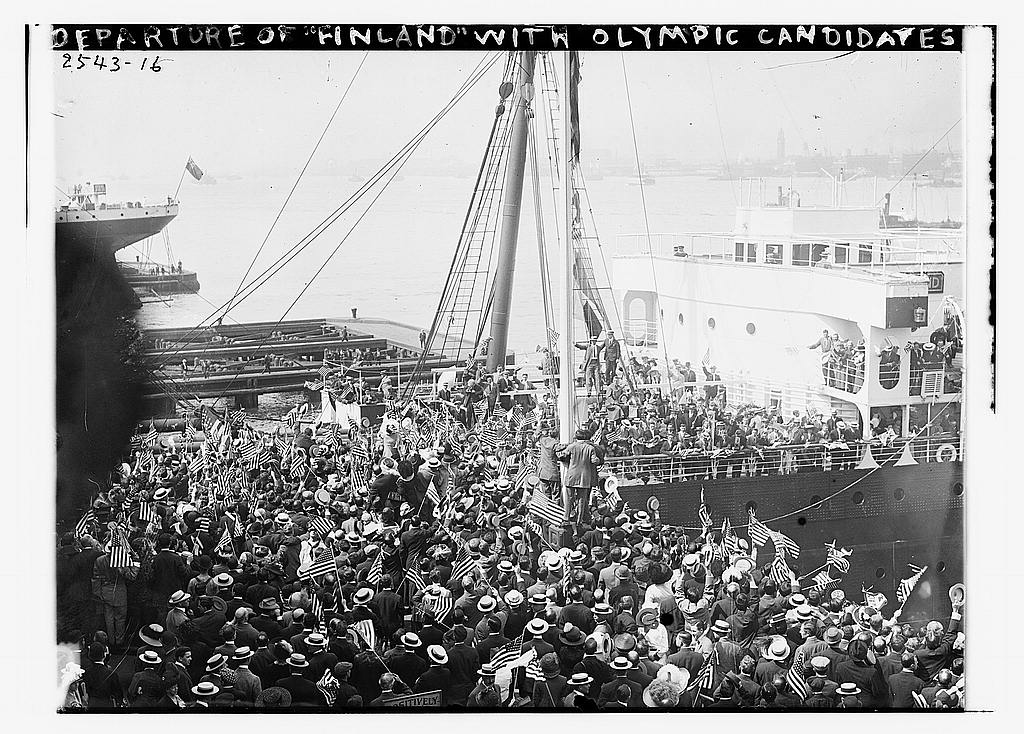
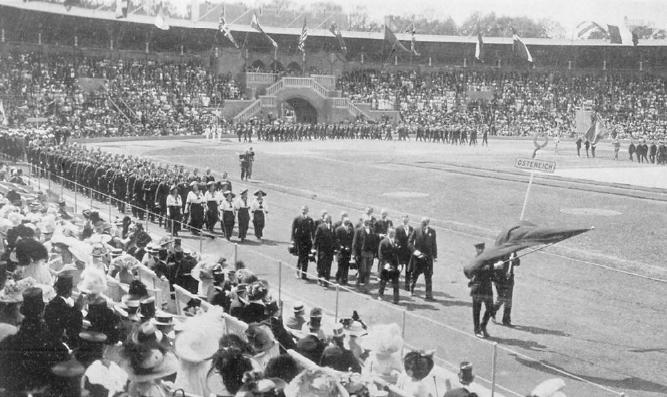
Olympic Gold out of his reach. He dropped out of high school
but returned to finish school and went to college on a
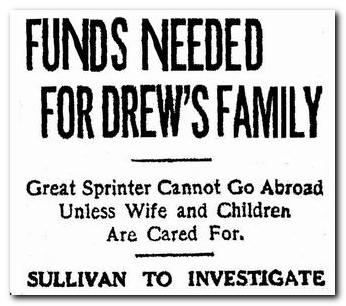
scholarship. He was injured in 1916 resulting in being
paralyzed on his left side. Everyone said he'd never run again
but he recovered and continued to sprint with a slight bend.
He insisted on being "treated like a man" during an era of pervasive
racism. When his career in track was over he continued to set
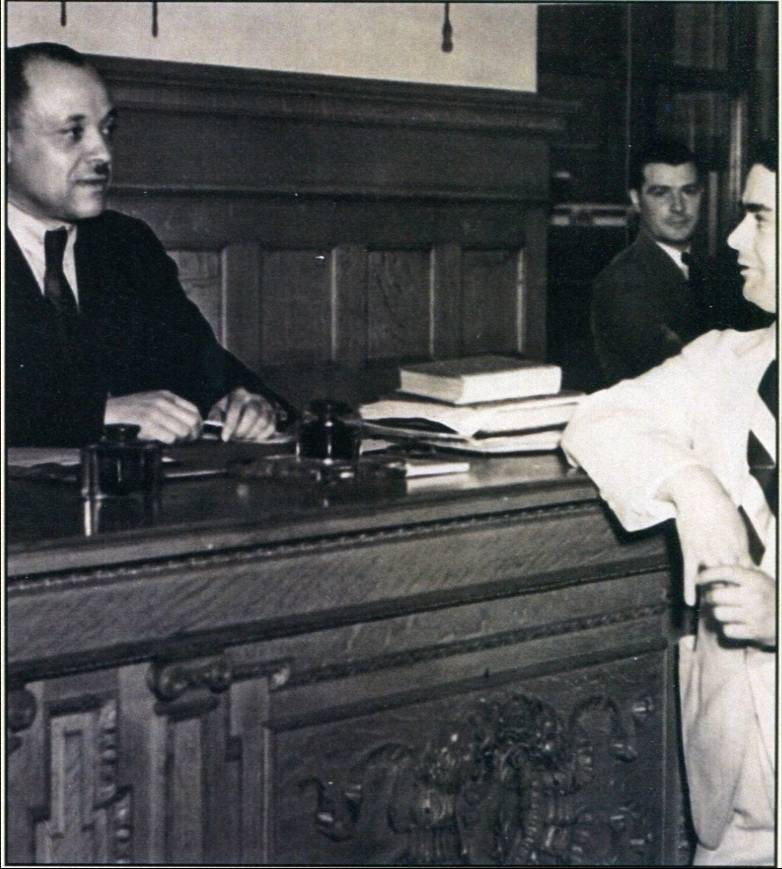
his sights high as an attorney and later as the first
African-American judge in
Connecticut. |
Extraordinary Athlete, Olympian, Multiple World
Record Holder,
Civil Rights Advocate, Track Coach, Track
Official,
Scholar, Author, Attorney and Judge.
Forgotten by time - until
now...
February
2006
Howard Drew is recognized by the USC BAA in their
exhibition:
HOWARD PORTER DREW: RULE MAKER...RECORD BREAKER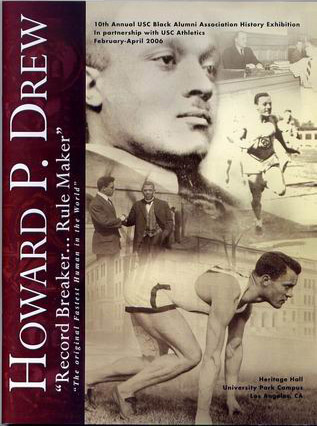
Howard Drew is inducted into
the USC Track & Field Hall of Fame
and recognized as
follows:
March 2011
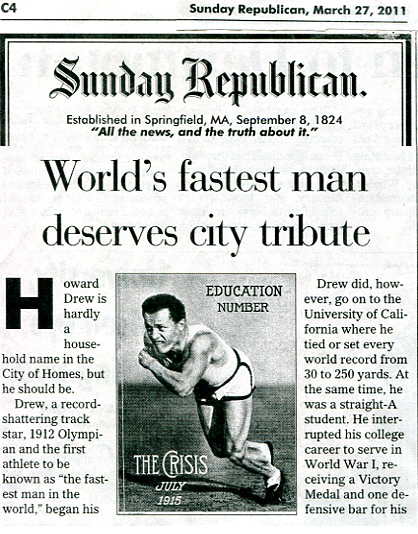
Click Above to
Read Entire Editorial
Update: Jan. 29, 2012
Howard Drew is
Inducted into the Massachusetts
State Track Coaches Association Athlete Hall
of Fame
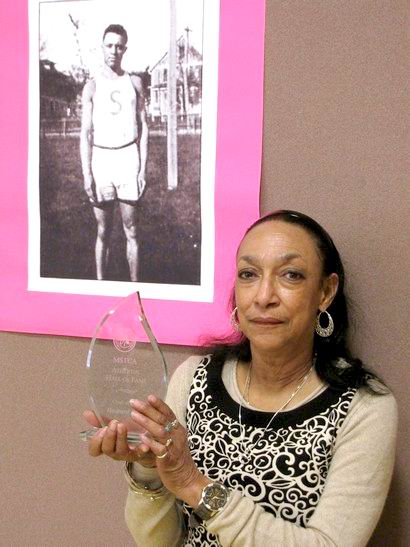
Cynthia Roberson, direct decendant
& great granddaughter of Howard Drew
accepts the MSTCA Hall of
Fame "Flame" Award on his behalf.
Not surprisingly, Cynthia is a teacher
in the Springfield Public Schools.
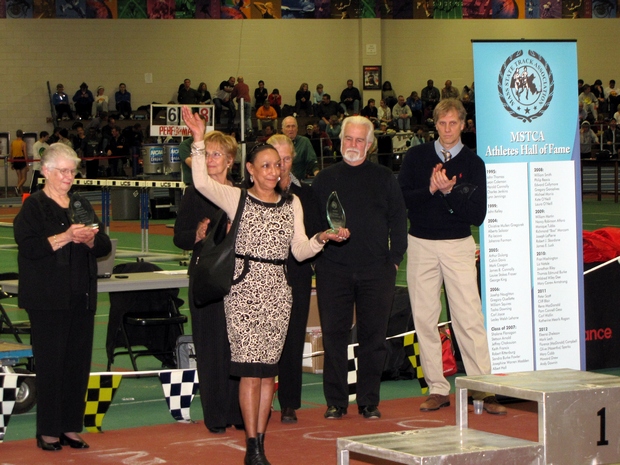
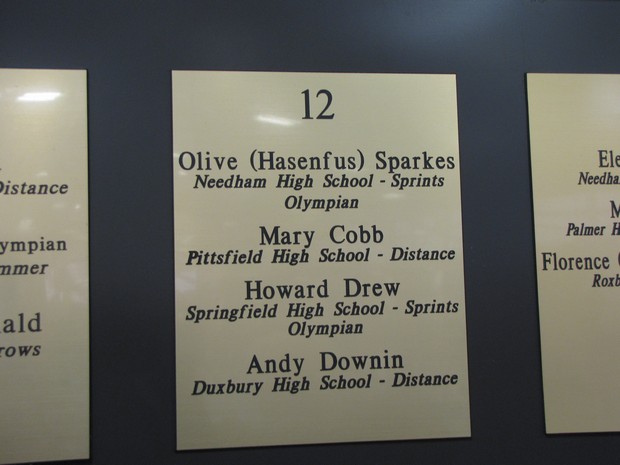
Howard Drew's name is now enshrined on the Athlete Hall of Fame wall at the Reggie Lewis Track Center in Boston, Mass.
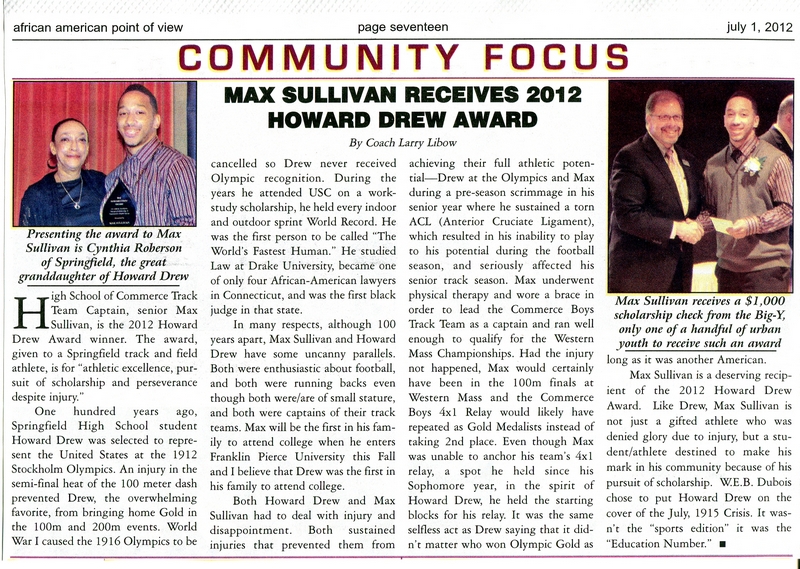
click for
PDF version
Complete African American Point of View July 2012 edition can be
viewed by clicking here
===
UPDATE: 2/16/2014
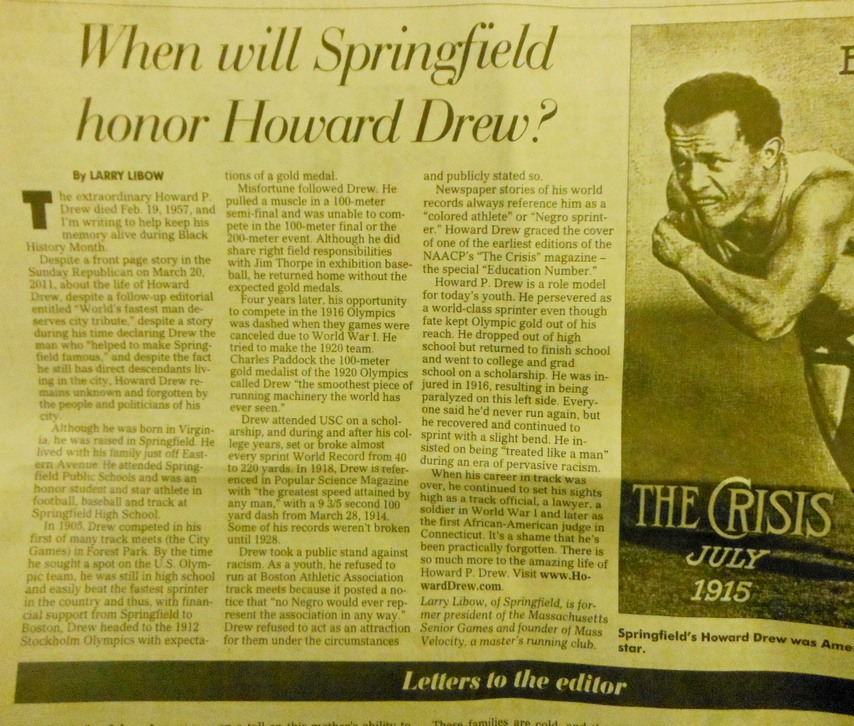
Click Article to Read Online at
MassLive.com
UPDATE:
January, 2015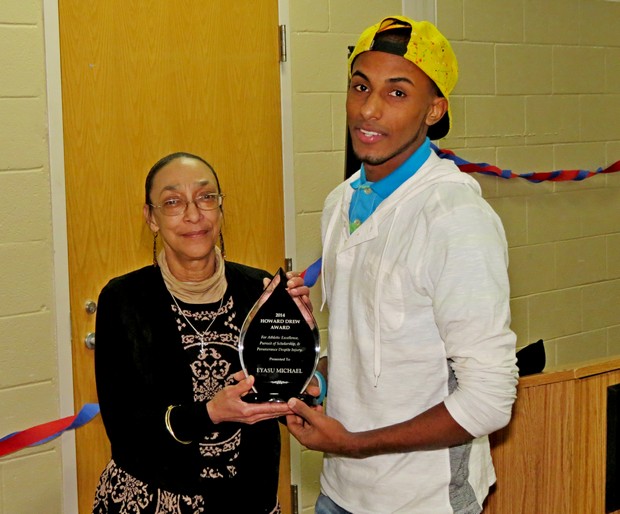
Eyasu Michael receives the
Howard Drew Award at the
Howard Drew Track Banquet on January 10, 2015
at
the Dunbar Community Center in Springfield, MA.
Presenting the award is Cynthia Roberson, great granddaughter of Howard
Drew
Update: March 6, 2016
Historic Classical Inc. at Classical
Condominiums
to Highlight Famed Springfield Athlete Howard
Drew
Watch The Complete Video of the
Howard Drew Presentation Here:
March 6, 2016 - Howard Drew
Receives
Recognition from:
The United States Senate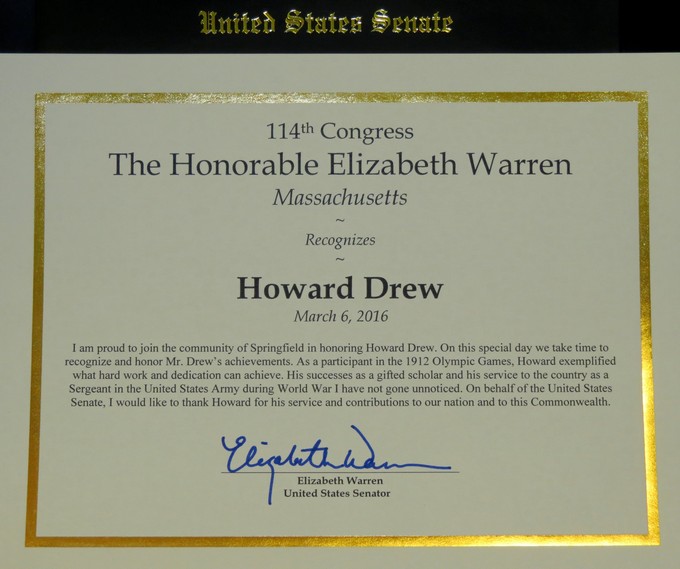
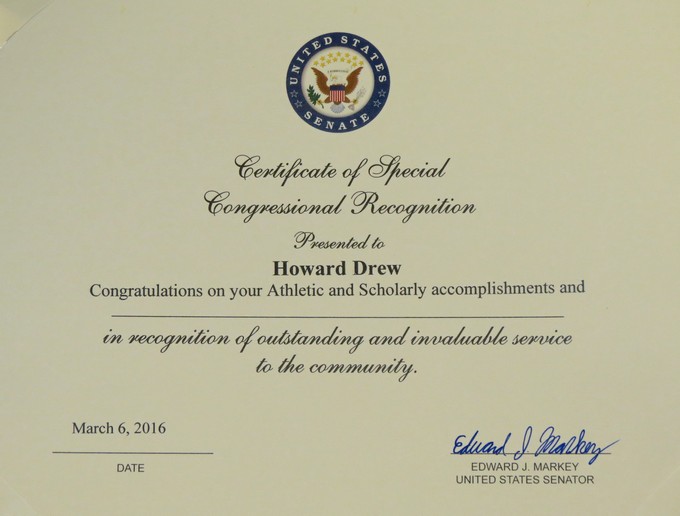
The United States Congressional Record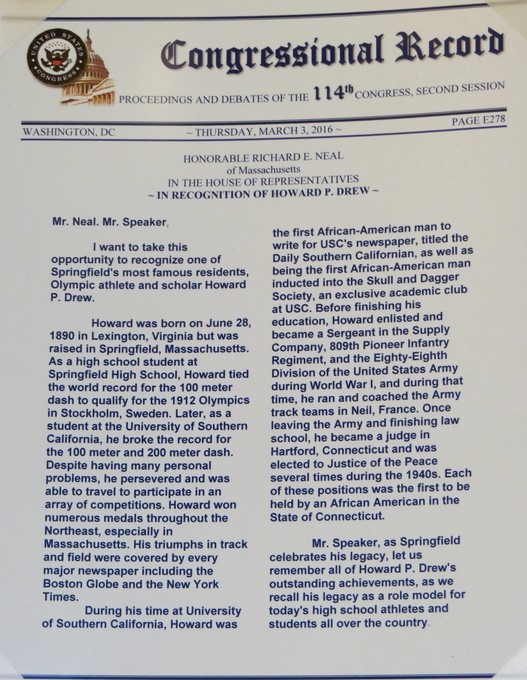
The Massachusetts House and Senate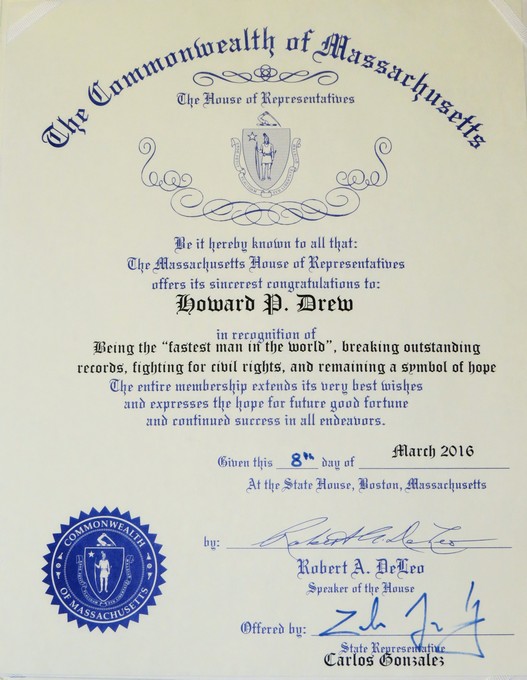
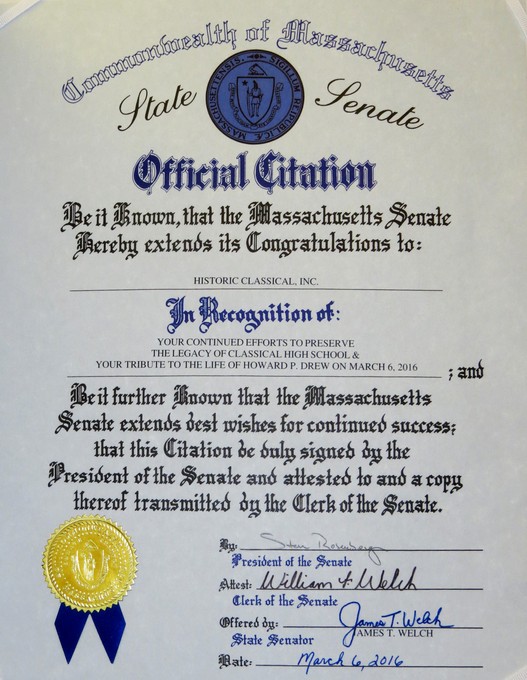
The Springfield (Massachusetts) City Council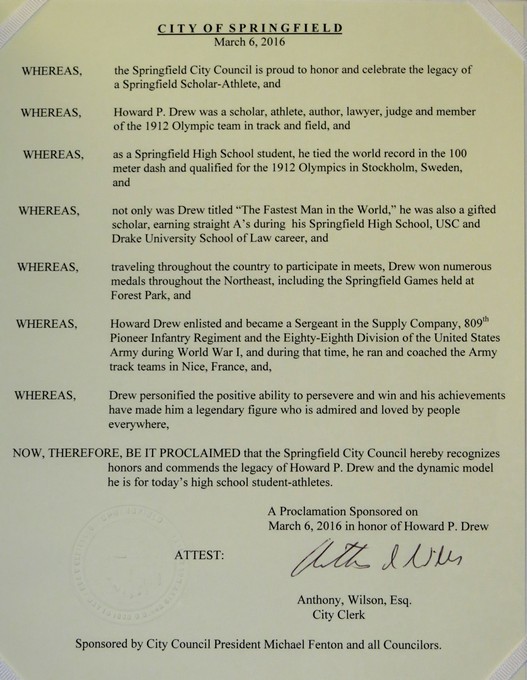
and
A
Proclamation by The Mayor
of The City of Springfield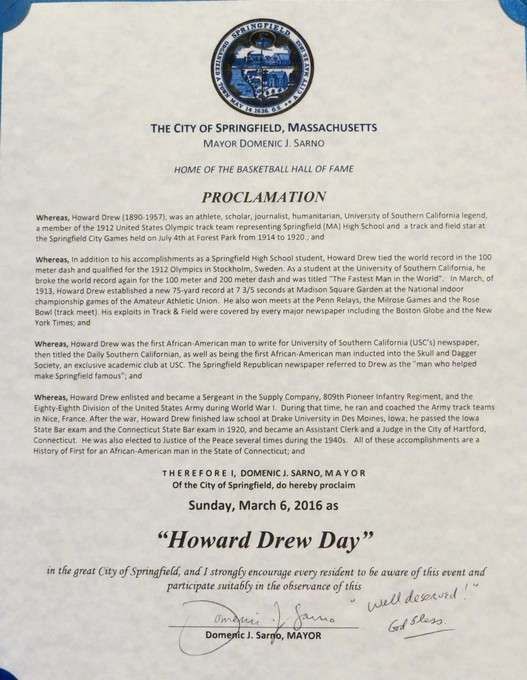
UPDATE: MAY 16, 2016
.
Springfield Central High School track set to be
named
after famed hometown sprinter Howard Drew
http://www.masslive.com/news/index.ssf/2016/05/springfield_central_high_schoo_17.html
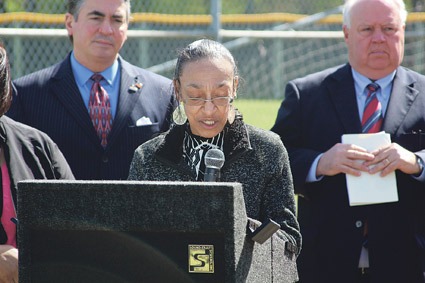
Cynthia Roberson, the great-granddaughter of Howard Drew,
spoke at the dedication of
Springfield's Central High School track in his
honor.
Reminder Publications photo by G. Michael Dobbs.
Howard Drew Finally Honored
with
Track Naming Ceremony
http://thereminder.com/Localnews/springfield/howarddrewhonored/
UPDATE: MAY 15,
2019
Three years after the formal
dedication of the track at Springfield Central High School
the City of
Springfield had not taken any steps to place a plaque or sign indicating
the
naming of the track to honor Howard Drew. Using his own funds, Coach Larry
Libow
had a plaque created and the city was kind enough to have the plaque
install at the top
of the steps leading up to the stands that face the track
and football field.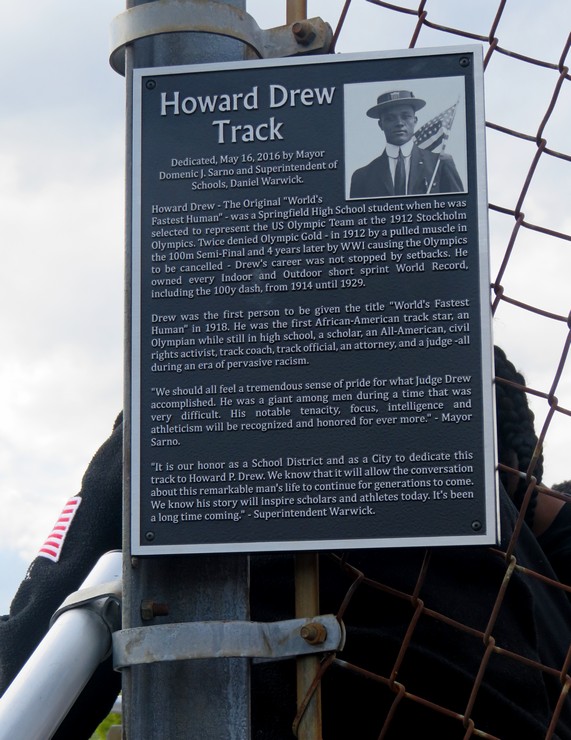
UPDATE: MAY 28, 2019
Kenny Ortiz is named the third recipient of the
Howard Drew Award
at the 2019 High School of Commerce Track
Awards Banquet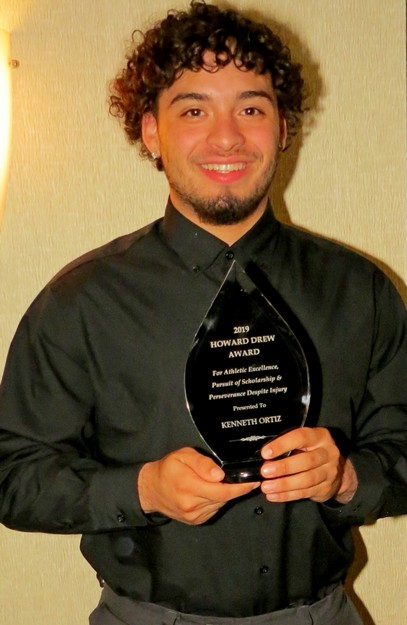
The Howard Drew Award
is given
For Athletic Excellence
Pursuit of Scholarship
and
Perserverance Depite Injury
Update: Summer
2021
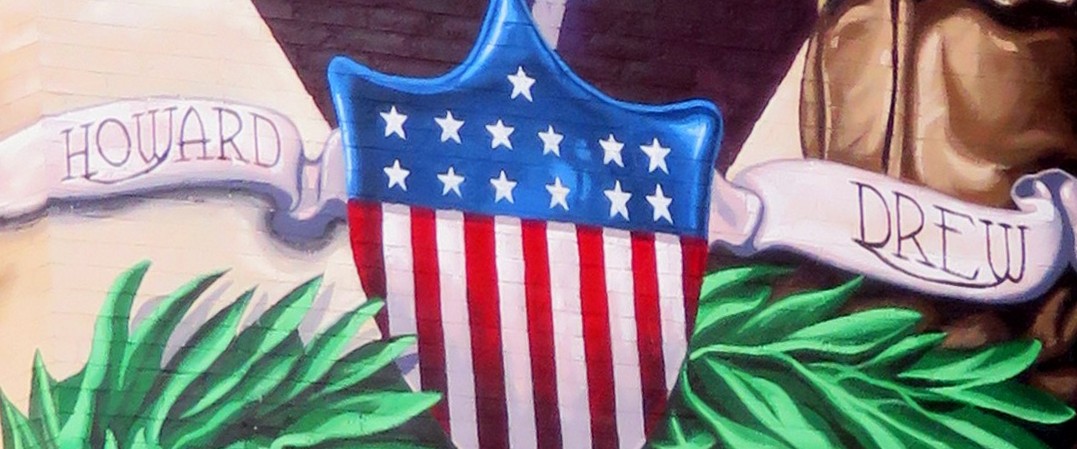
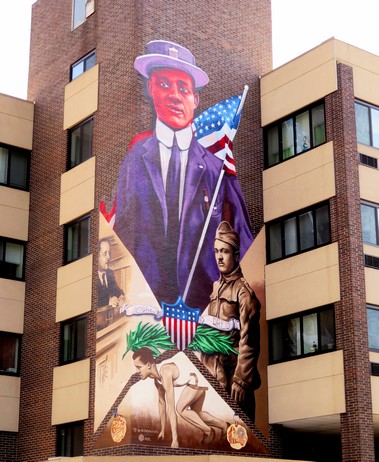
City of Springfield now
has a building mural
celebrating the life of Howard Drew - Springfield's
greatest Olympian!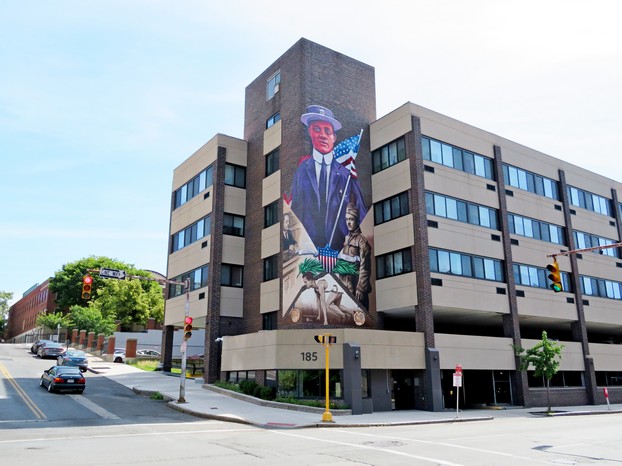
Update: Fall
2021
The
City of
One of the pairings is Howard Drew
and recent Commerce Track Captain, Alex Gibb.
It's at the corner of State and Dwight streets.
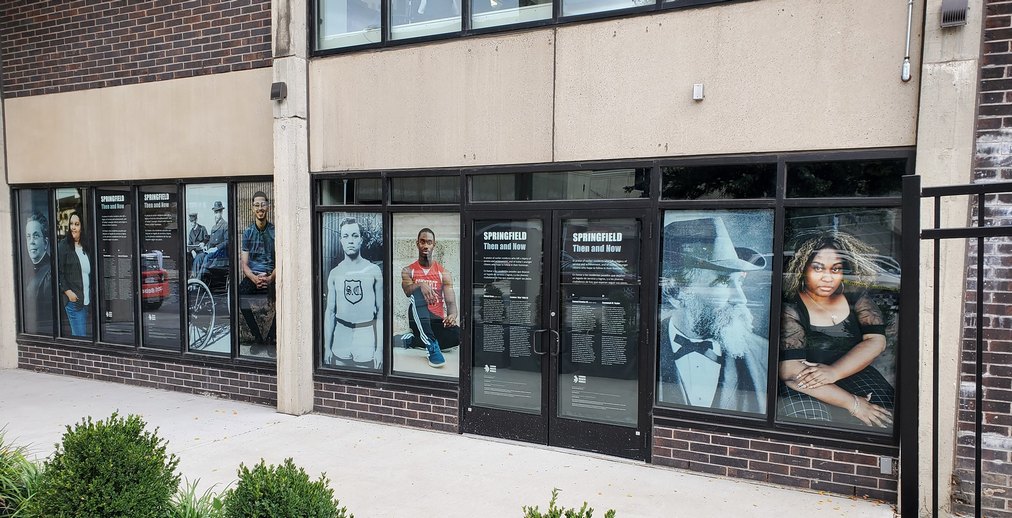
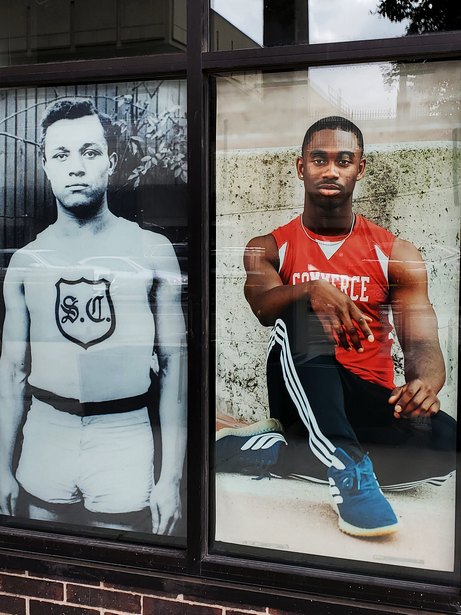
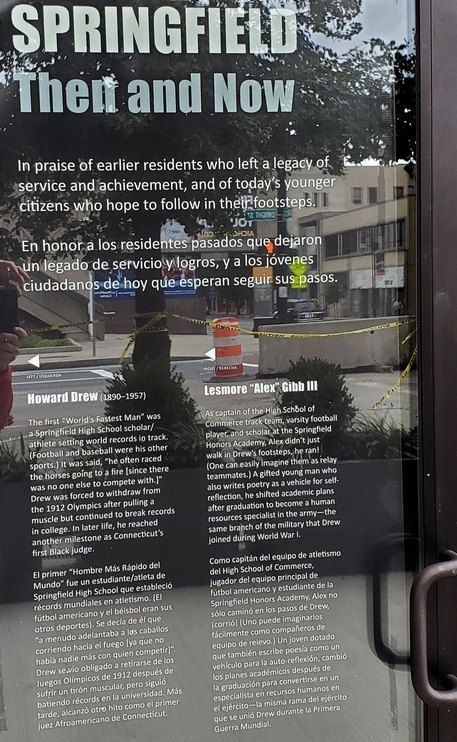
~~~~~~~~
One of the pairings is Howard Drew and recent Commerce Track
Team Captain, Alex Gibb.
It's at the corner of State and
Dwight streets.
.
|
For further information on Howard Drew please contact Coach Larry Libow. |
Howard P. Drew Information Complied by Coach Larry Libow from:
- Springfield Republican Newspaper archives at the Springfield
Public Library,
- Archives at the Lyman & Merrie Wood Museum of Springfield
History,
- Additional photographs submitted by Steve Vaitones, Managing
Director, USATF-New England,
- Publication "Howard P. Drew: Record Breaker ...Rule Maker", 2006, USC Black Alumni Association,
- Lura Ball, Curator of Howard Drew memorabilia and USC exhibition
researcher
| If you would like to publish an article about
Howard Drew, please consider using this article (available in PDF format). You may re-print the
article as long as you comply with following terms:
Article must be published "as is" (unedited) except
that you may correct grammar and spelling errors. Article must be
published with the author's bio paragraph (below) and copyright
information included. URL in the resource box should be set as active
hyperlink back to this page. Article cannot be used in spam
communications. |

Click Mass Live
Logo Above for Article
on Howard Drew in Springfield Republican Newspaper
You Can Reach Coach Larry at: 
Attribution-NonCommercial 3.0 United States
(CC BY-NC 3.0)
http://creativecommons.org/licenses/by-nc/3.0/us/
You are free to share or to copy, distribute and transmit the work on
this website or to adapt the work under the following conditions:
1)
Attribution - You must attribute the work in the manner specified by the author
or licensor (but not in any way that suggests that they endorse you or your use
of the work) and
2) Noncommercial - You may not use this work for commercial
purposes.
Coach Larry Libow was a member of the Board of Governors
of USATF-New England, serving over the years as a Vice President,
Athlete Rep and as Youth Chair.
Coach Larry is a USATF Level
2 Coach, and is a USTFCCCA Certified Track & Field Technical Coach
and was USA Track & Field 2011 Northeast Zone Youth Coach of the
Year.
Coach Larry is a member of the Massachusetts State Track Coaches
Association and was a member of the Indoor Track Committee.
Coach
Larry is the founder of the modern All-City T&F Championships,
was a co-founder of the YMCA of Greater Springfield's Y-Speed Track
Club
and served as volunteer Head Coach for many years. Coach
Larry founded the Mass Velocity Track Club and the Western Mass Raptors Track
Club.
He was the Managing Director of the Massachusetts Senior
Games from 2012-2016 and served on the MASG Board of Directors from
2003-2017.
Coach Larry was the Boy's Head Track Coach at the High
School of Commerce in Springfield, coaching there from 2004-2024.
(Last Update: 3/24)